Singer Island Oceanfront Homes vs Condos: How to Choose
March 5, 2026
March 5, 2026
Should you wake up to ocean sunrises from a high-rise or enjoy a private backyard on the canal with your boat at the dock? If you are considering Singer Island, you have two clear paths: an oceanfront condominium or a single-family waterfront home. Each delivers a different rhythm of life, cost profile, and set of responsibilities. In this guide, you will see the real tradeoffs so you can choose with confidence and avoid surprises. Let’s dive in.
Singer Island is a narrow barrier island in Palm Beach County that blends resort-style oceanfront towers with low-rise and single-family neighborhoods on the Intracoastal side. Most of the island is within the City of Riviera Beach, with the southern tip in Palm Beach Shores. The location is known for direct beach access, dive and snorkel spots like Blue Heron Bridge, and quick runs to the Lake Worth Inlet for offshore boating. You can explore the island’s layout and context in this overview of Singer Island.
Market activity varies by segment, but oceanfront luxury towers continue to see notable transactions, while mid-market condos and single-family waterfront homes trade based on condition, location, and inventory. Regional reporting regularly highlights active high-end condo sales across Palm Beach County, including Singer Island’s oceanfront corridor. For a sense of ongoing condo momentum, see this recent Palm Beach County condo sales roundup.
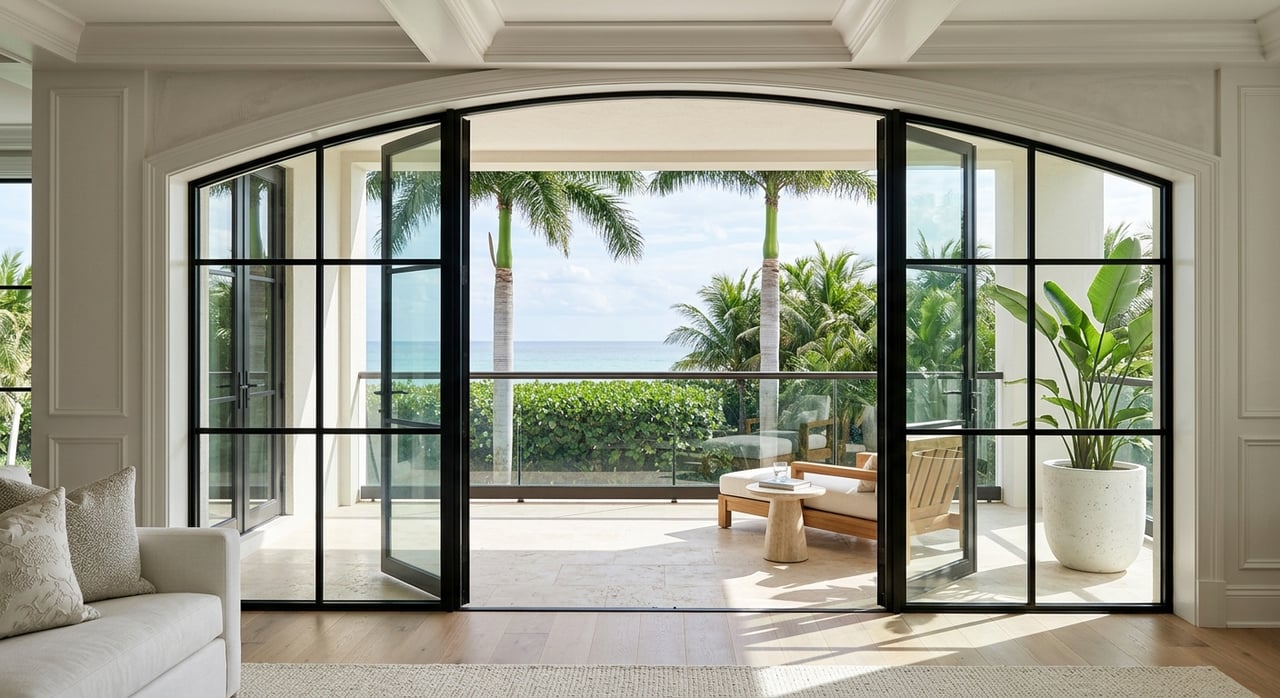
Oceanfront buildings on Singer Island range from 1970s–1990s mid-rises to newer luxury towers delivered in the 2000s–2020s. Newer residences often offer resort amenities, staffed security, concierge and valet services, on-site dining, and wellness facilities. That makes condos ideal if you want a lock-and-leave lifestyle with daily services and direct beach access. Privacy is unit-level, while lobbies, elevators, pools, and amenity decks are shared.
If you prefer turnkey living and plan to travel frequently, a condo’s managed environment can be a strong fit. Daily upkeep, landscaping, and exterior repairs are handled by the association. For seasonal owners, that convenience reduces the to-do list when you arrive and depart.
Association dues on Singer Island vary widely by building, unit size, and amenity level. Older mid-rise buildings can have lower monthly dues, while newer resort-style towers often run in the low four figures per month. Example listings for luxury buildings on the island show monthly maintenance around the mid-two-thousand-dollar range for select units, while modest communities can be lower and ultra-amenity towers can be higher. Always review the current budget and fee schedule for the exact building and unit you are considering.
For property taxes, Palm Beach County assesses parcel-specific values and applies local millage rates and exemptions. Effective rates often land near the 1.0 to 1.8 percent range of assessed value, but your actual bill depends on your property and exemptions. Learn how taxes are calculated and what exemptions may apply through the Palm Beach County Property Appraiser.
Insurance is a key part of your cost picture. Many coastal properties sit in FEMA Special Flood Hazard Areas, where lenders typically require flood coverage. Condo owners usually carry an HO-6 policy for interior and contents, while the association’s master policy may include building coverage and, in some cases, a flood policy at the building level. Premiums depend on building age, elevation, and claims history. Get property-specific quotes early and review flood map details with FEMA’s coastal resources at FEMA flood insurance rate maps.
For condos, the building’s financial strength and maintenance plan affect your financing options and resale pool. After Surfside, Florida enacted Milestone Inspections and Structural Integrity Reserve Studies for condo buildings that are at least three stories. Ask for the most recent inspection reports, SIRS details, reserve balances, and any special assessments. The Florida Division of Condominiums provides clear guidance on the process at the DBPR condominiums FAQs.
Lenders also apply project eligibility standards for conventional financing. Buildings with low reserves, material deferred repairs, or pending large unfunded projects can be harder to finance. For background on reserve and warrantability requirements, review this overview of condo reserve and lender guidelines.
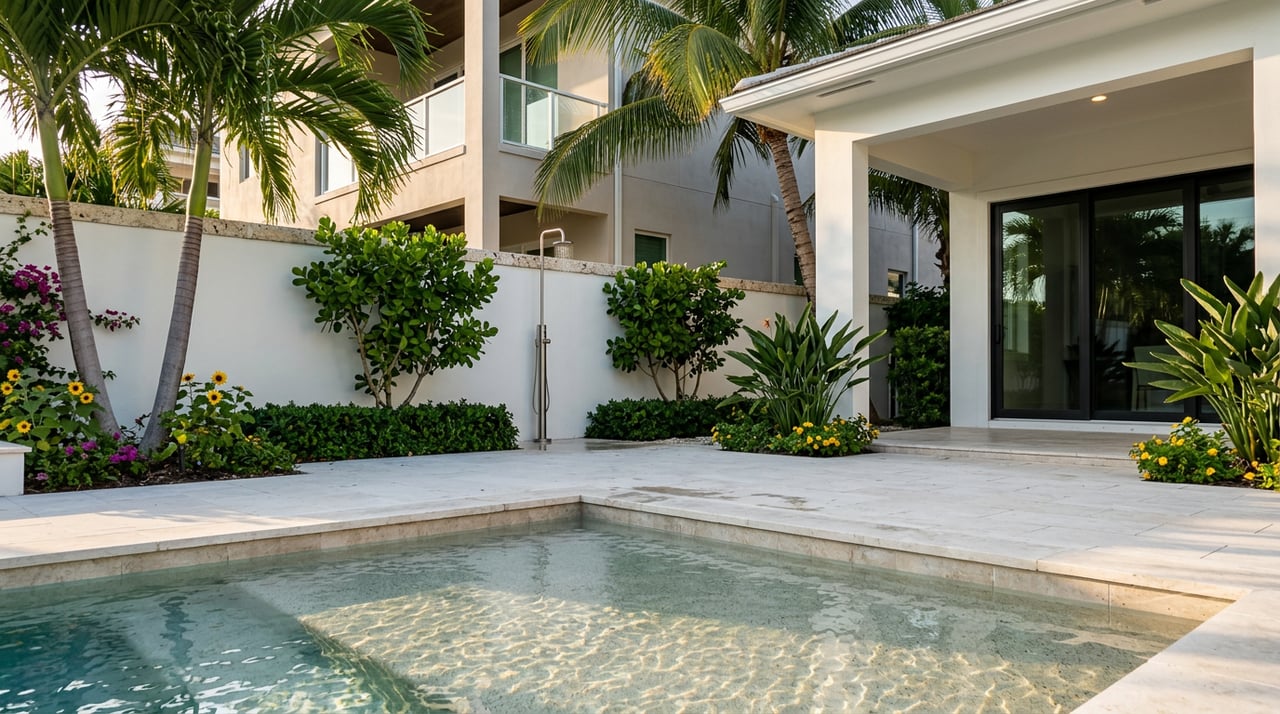
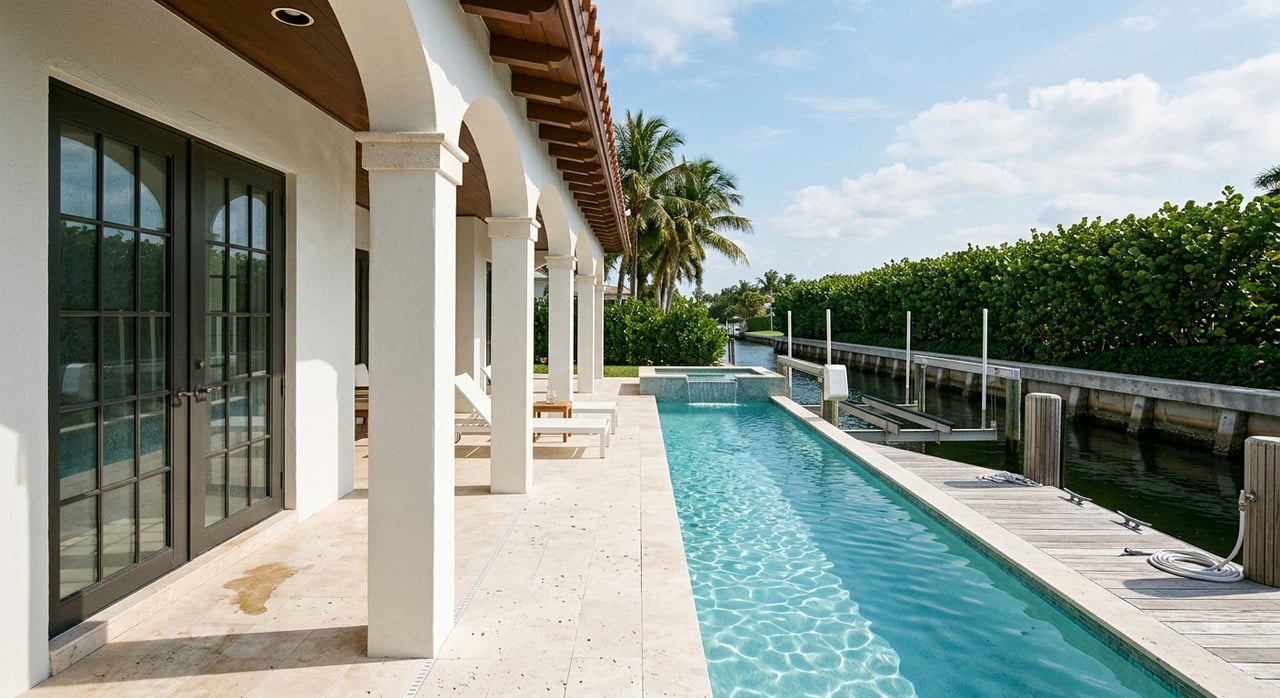
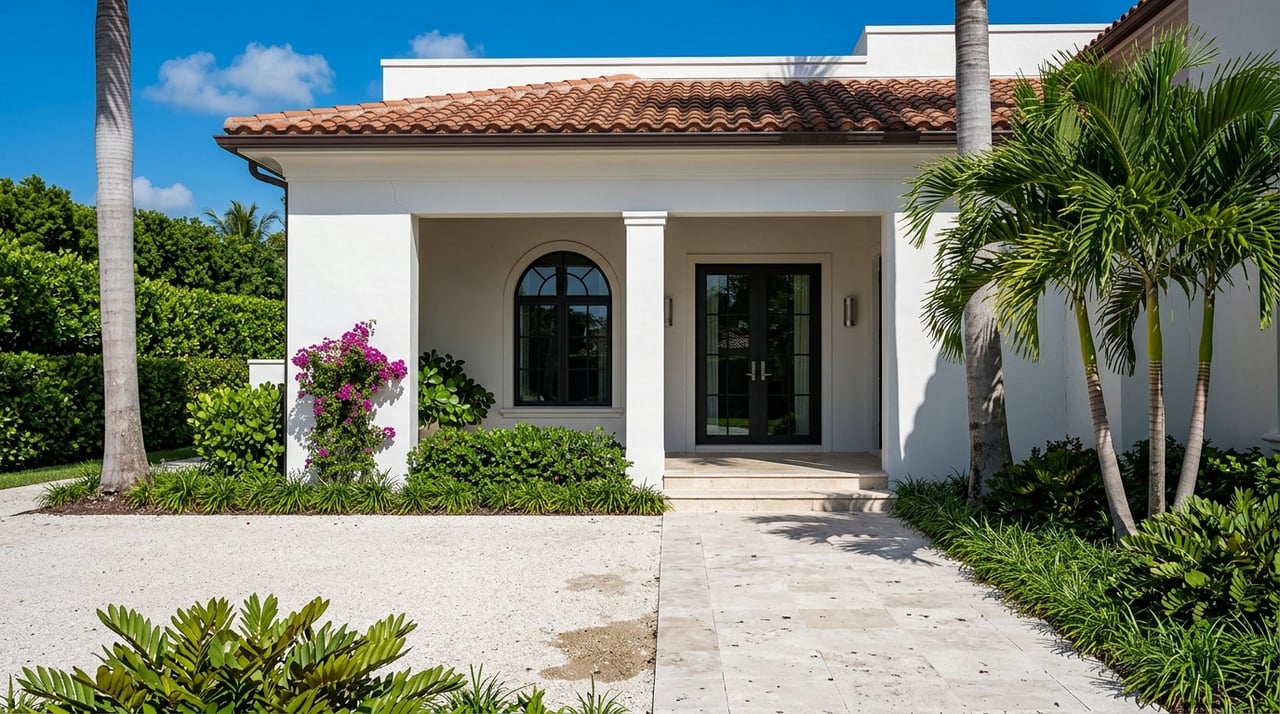
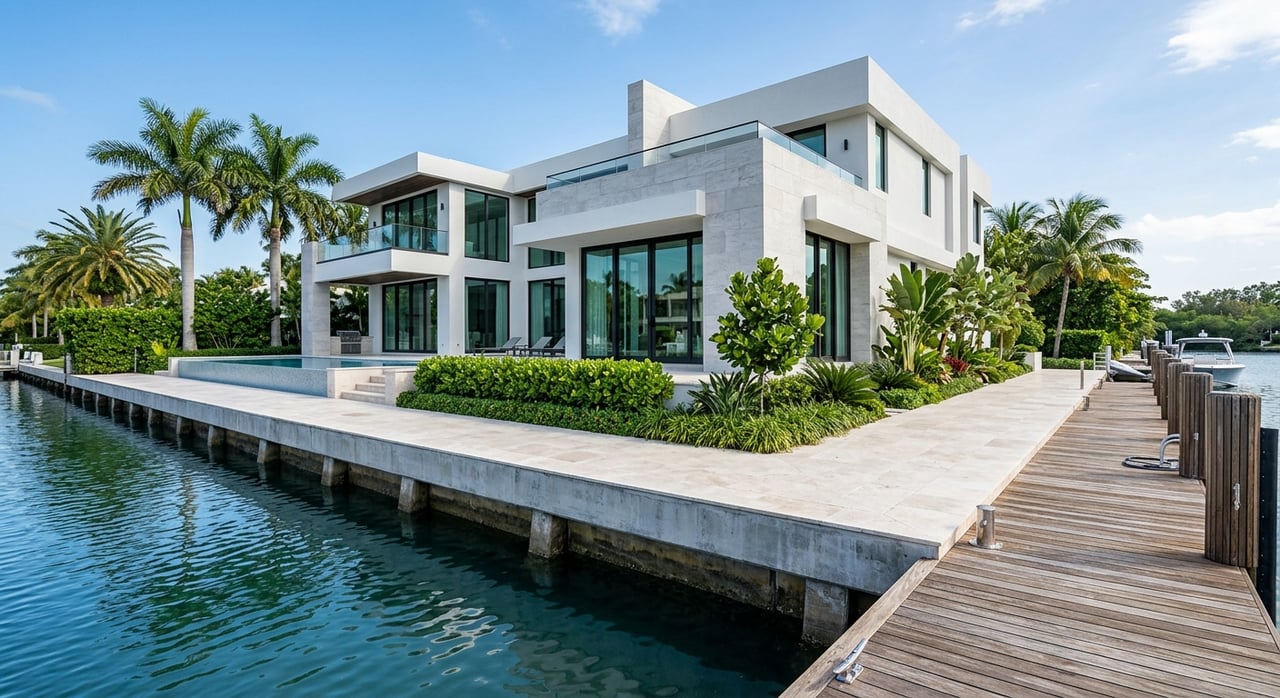
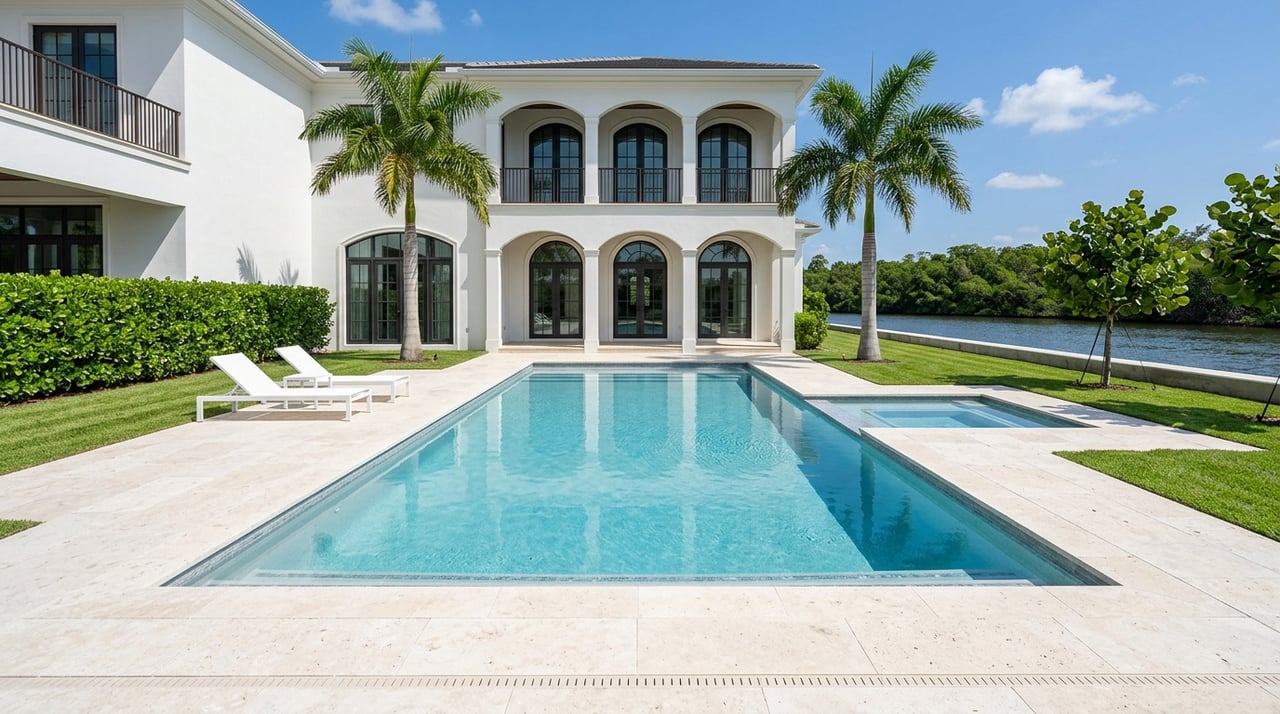
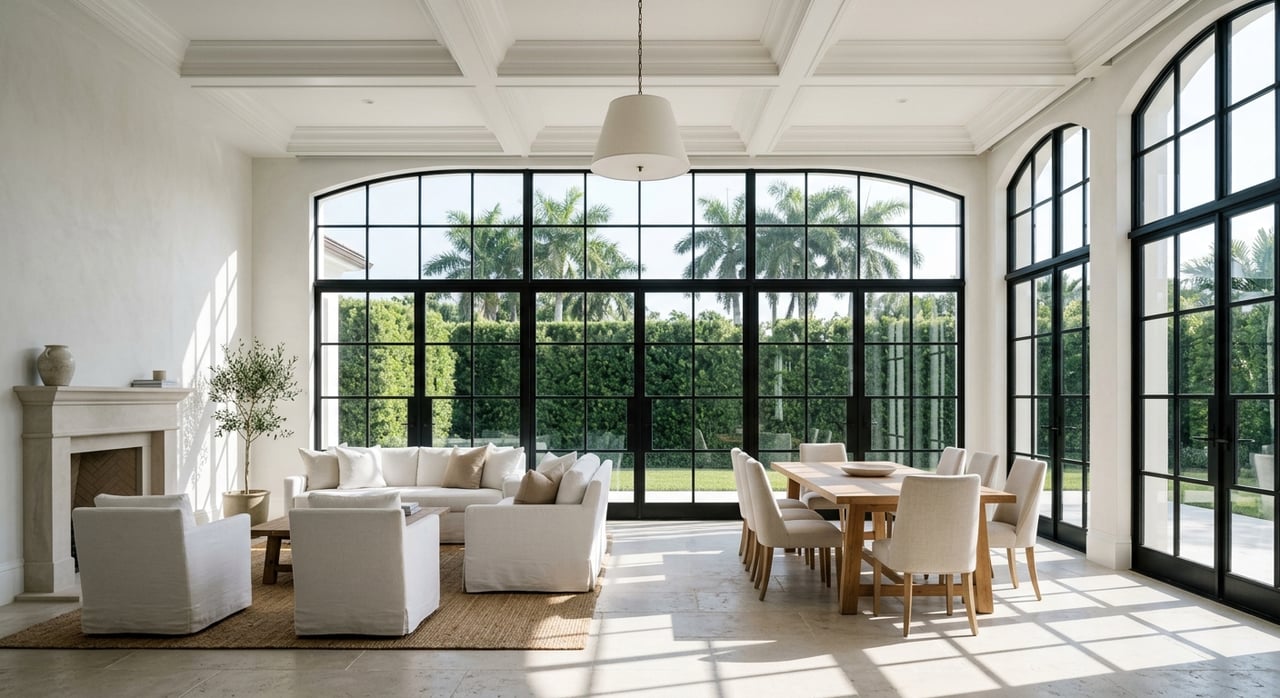
Single-family properties on the bay and canal side deliver more private outdoor living and direct control over your property. You can step from your back patio to your dock, entertain by your own pool, and avoid shared corridors and elevators. If you value yard space, a garage, and a more private setting, a waterfront home aligns with that lifestyle.
With control comes responsibility. You handle landscaping, pool service, roof care, exterior painting, pest control, and any neighborhood or special district fees. While some areas have voluntary or modest HOA structures, many single-family streets do not, which shifts all maintenance planning to you.
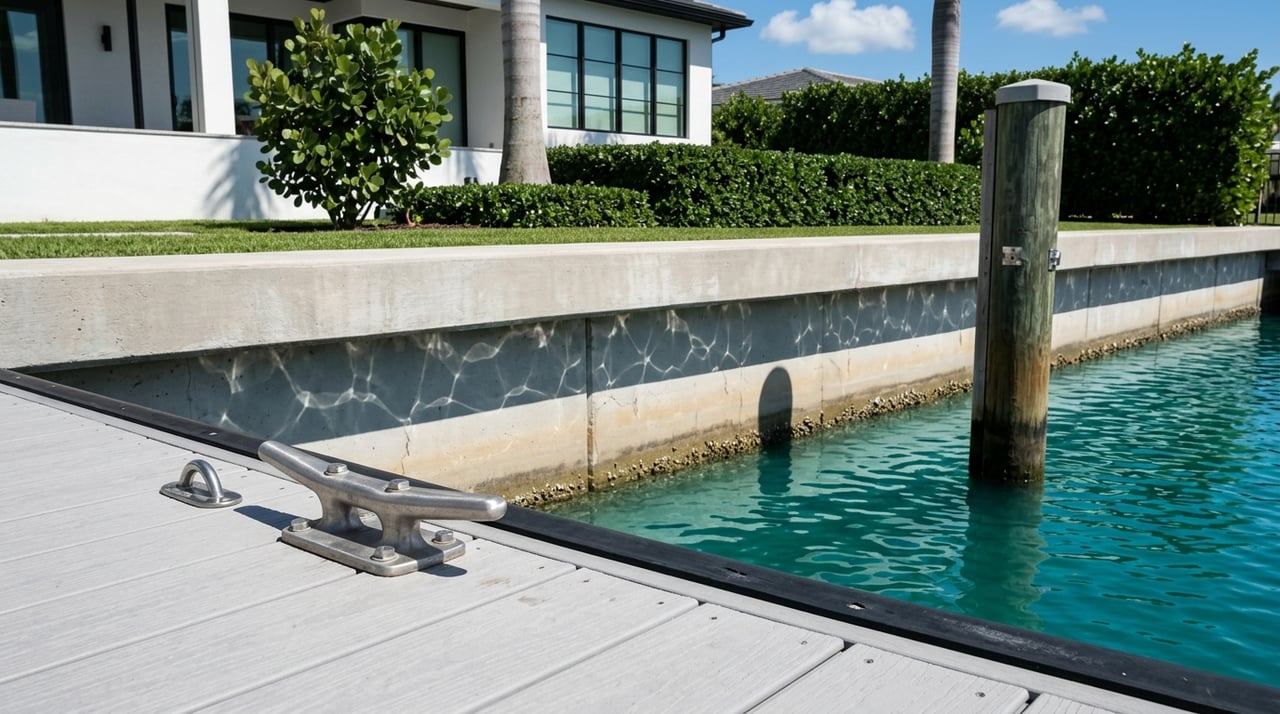
Waterfront ownership often includes periodic capital projects. Seawalls and docks age and can require repairs or replacement, especially in a marine environment. Industry guides commonly price seawall work by linear foot, with broad ranges that add up quickly for longer lots. To get a sense of potential order of magnitude, see this overview of seawall repair and replacement costs. A dedicated marine inspector can help you evaluate current condition and remaining life.
Insurance and flood considerations are property specific. Many canal and Intracoastal parcels fall within FEMA flood zones, and lenders typically require flood coverage for financed purchases. Elevation, construction type, and mitigation features drive premiums. Start the quoting process early and use FEMA’s guidance to review flood risk and map designations at FEMA flood insurance rate maps.
A major draw of Singer Island’s single-family pockets is private dockage and quick access to the Lake Worth Inlet. Many canal routes offer no fixed bridges, which is important for mast height and larger vessels. During diligence, verify canal depth, dock length, lift capacity, and local permitting rules. Include a seawall and dock inspection in your contract timeline and request any past repair invoices and permits.
Choosing between a condo and a home on Singer Island comes down to how you want to live and how hands-on you want to be.
In both cases, plan for property-specific insurance, flood considerations, and local leasing rules. Your financing options and long-term costs depend on the building or parcel you choose, not just the list price.
Use this checklist to compare options and avoid surprises:
Whether you lean toward a sky-high ocean view or a private dock on a quiet canal, the right choice should match your lifestyle, risk tolerance, and long-term plan. A thoughtful review of association reports, flood maps, insurance quotes, and marine structures helps you buy with confidence.
If you are weighing condos versus single-family on Singer Island and want a clear, property-specific plan, connect with Ann Cusa for a private consultation.
Stay up to date on the latest real estate trends.
Get assistance in determining current property value, crafting a competitive offer, writing and negotiating a contract, and much more. Contact me today.