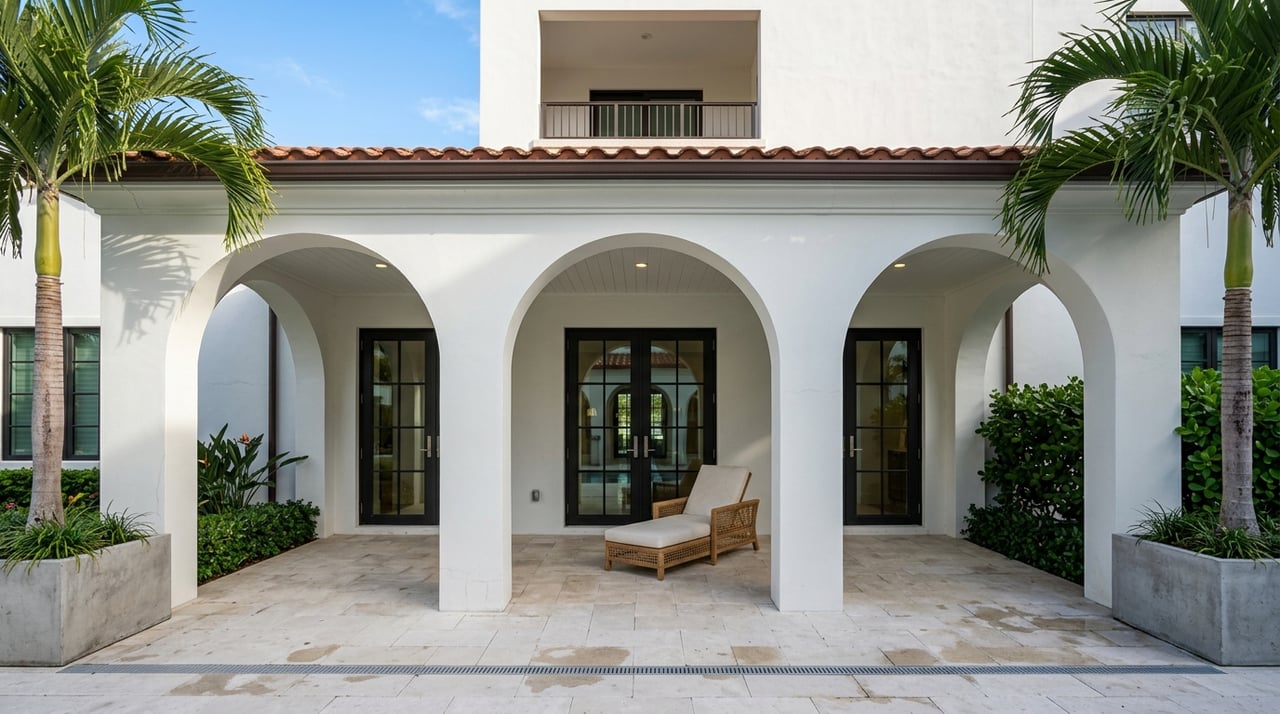
Buying An Oceanfront Condo In Palm Beach As A Second Home
May 21, 2026
May 21, 2026
If you are thinking about buying an oceanfront condo in Palm Beach as a second home, the view is only part of the story. You want a property that feels effortless to enjoy, but the right purchase also depends on the building’s structure, reserves, flood exposure, ownership format, and rental rules. When you understand those details before you buy, you can move forward with more confidence and fewer surprises. Let’s dive in.
An oceanfront condo can offer the lock-and-leave convenience many second-home buyers want. Still, in Palm Beach, the building itself matters just as much as the unit. Your monthly costs, future repairs, insurance needs, and rental flexibility can all be shaped by association documents and local rules.
That is especially true in older coastal buildings. Florida’s current condo and co-op requirements put more focus on milestone inspections, reserve studies, and disclosure timing, which means buyers have better access to key building information before closing. For a second home, that information helps you evaluate not just lifestyle, but long-term carrying costs as well.
Not every oceanfront apartment in Palm Beach is owned the same way. In Florida, a condominium is real property that includes your unit plus an undivided share of the common elements. A cooperative is different because legal title is held by a corporation or other entity, and your interest is typically a share in the association paired with a lease or right of possession.
For you as a buyer, that difference affects the paperwork, approvals, and closing process. A co-op purchase may involve a different review path than a condo resale, so it is worth identifying the ownership structure early in your search.
Florida requires certain resale disclosures for both condos and co-ops, but the document package is not identical. For applicable condo resales entered after December 31, 2024, buyers must receive disclosure language and certain records, including milestone inspection summaries and structural integrity reserve study information when required, more than seven days before execution. If those materials arrive late, the buyer has a seven-day cancellation right.
Cooperative resales follow a similar seven-day framework for core documents like the articles, bylaws, rules, and question-and-answer sheet. In practical terms, that means you should review timing carefully and make sure your file includes the full set of building documents before you commit.
A beautifully updated residence can still sit inside a building with major upcoming costs. That is why structural due diligence should be a priority for any second-home buyer considering an oceanfront condo in Palm Beach. The unit finishes may be turnkey, but the building’s condition will influence your ownership experience.
Ask early whether the building has completed any required milestone inspection and whether a structural integrity reserve study, often called a SIRS, has been completed. These are not minor administrative items. They can reveal important information about maintenance planning, repair needs, and future expenses.
Florida requires milestone inspections for residential condo and cooperative buildings with three or more habitable stories at 30 years of age and every 10 years after that, measured from the certificate of occupancy. The association is responsible for arranging the inspection, and the work must be completed by a licensed architect or engineer.
If Phase 1 identifies substantial deterioration, a Phase 2 inspection can follow and may include destructive testing. As a buyer, the milestone summary can give you a clearer picture of the building’s structural condition and whether larger repair planning is underway.
A SIRS is a budget-planning tool designed to evaluate reserve needs for major structural and safety-related items. It must cover components such as the roof, structural systems, fireproofing and fire protection, plumbing, electrical systems, waterproofing and exterior painting, windows and exterior doors, plus other items over $25,000 that affect structural integrity.
For budgets adopted on or after January 1, 2025, associations subject to a SIRS generally may not waive or underfund required reserves. For you, that matters because reserve funding can directly affect monthly fees and can also reduce the chance that important repairs are simply deferred.
A building may look financially stable at first glance, but upcoming projects can change your ownership costs quickly. Under Florida law, a special assessment is any assessment charged to a unit owner other than the annual budget assessment.
That is why one of the most useful buyer questions is simple: are any special assessments approved, expected, or already built into the current fee? You should also ask whether the current budget reflects a loan or line of credit tied to repairs, since that can affect future cost planning.
For second-home buyers, the estoppel certificate is one of the most useful closing documents. In Florida, it must list regular assessments, special assessments, transfer fees, open violations, approval requirements, any right of first refusal, and insurance contact information.
This document helps you verify what the association says you owe and what restrictions may apply. It can also clarify whether there are open issues attached to the unit or building that need attention before closing.
Oceanfront living in Palm Beach comes with exposure that should be evaluated carefully. Palm Beach County says coastal areas are susceptible to storm-surge flooding, and updated FEMA flood maps became effective on December 20, 2024, adding thousands of eastern county parcels to high-risk flood zones.
The county also states that all county residents are in a flood zone and encourages flood insurance. That matters because windstorm insurance does not cover flood damage, and new flood policies generally have a 30-day waiting period.
Before you make an offer, verify the exact flood zone for the parcel. You should also check whether an elevation certificate is on file through the county lookup or local building department.
This step is important because flood exposure can affect both insurance costs and financing. A strong ocean view may draw you in, but your long-term carrying costs are shaped by more than the location on the sand.
Florida condo law allows boards to adopt hurricane-protection specifications and, in many cases, require installation that meets code. If compliant hurricane protection is already installed, the board generally may not require the same type again unless it has reached the end of its useful life or is needed to prevent damage.
The law also addresses cost responsibility in many situations. Still, before closing, you should ask who maintains hurricane protection, windows, and doors under the governing documents for that specific building.
Many second-home buyers like the idea of using the property part of the year and renting it when they are away. In Palm Beach, that plan needs careful review because local rules and building rules both matter.
If the condo is in the Town of Palm Beach, short-term rentals such as Airbnb are strictly prohibited. The town defines residential use as occupancy of not less than three months, and it states that long-term rentals are allowed if only one property is being rented.
Even if a town rule permits a certain lease length, the association may impose stricter rules. That means your practical question is not just whether Palm Beach allows your intended rental plan. It is whether both the town and the building allow it.
Before you buy, review the declaration, bylaws, and rules for lease restrictions, approval processes, waiting periods, transfer fees, and any right of first refusal. For second-home planning, these details are essential.
For an out-of-area buyer, the document stack can feel heavy, but each item serves a purpose. Together, these records help you understand the building’s condition, financial structure, and day-to-day rules.
Here is a practical checklist to request and review:
You should also confirm practical lifestyle details that affect how the property functions as a second home. That may include concierge services, valet, package handling, beach service, parking, storage, and on-site management.
Buying an oceanfront condo in Palm Beach can be a rewarding lifestyle move, but the best purchases are built on careful review, not just emotion. The right property should match how you plan to use it, what level of monthly carrying cost you are comfortable with, and how much building risk you are willing to take on.
This is where experienced guidance matters. In a market with luxury inventory, older coastal buildings, co-op and condo ownership differences, and strict rental rules, a disciplined review process can help you avoid friction and focus on the right opportunities.
If you are considering an oceanfront condo in Palm Beach as a second home, Ann Cusa can help you evaluate the property, the building, and the practical details that matter most with the discreet, white-glove guidance luxury buyers expect.
Stay up to date on the latest real estate trends.


Get assistance in determining current property value, crafting a competitive offer, writing and negotiating a contract, and much more. Contact me today.