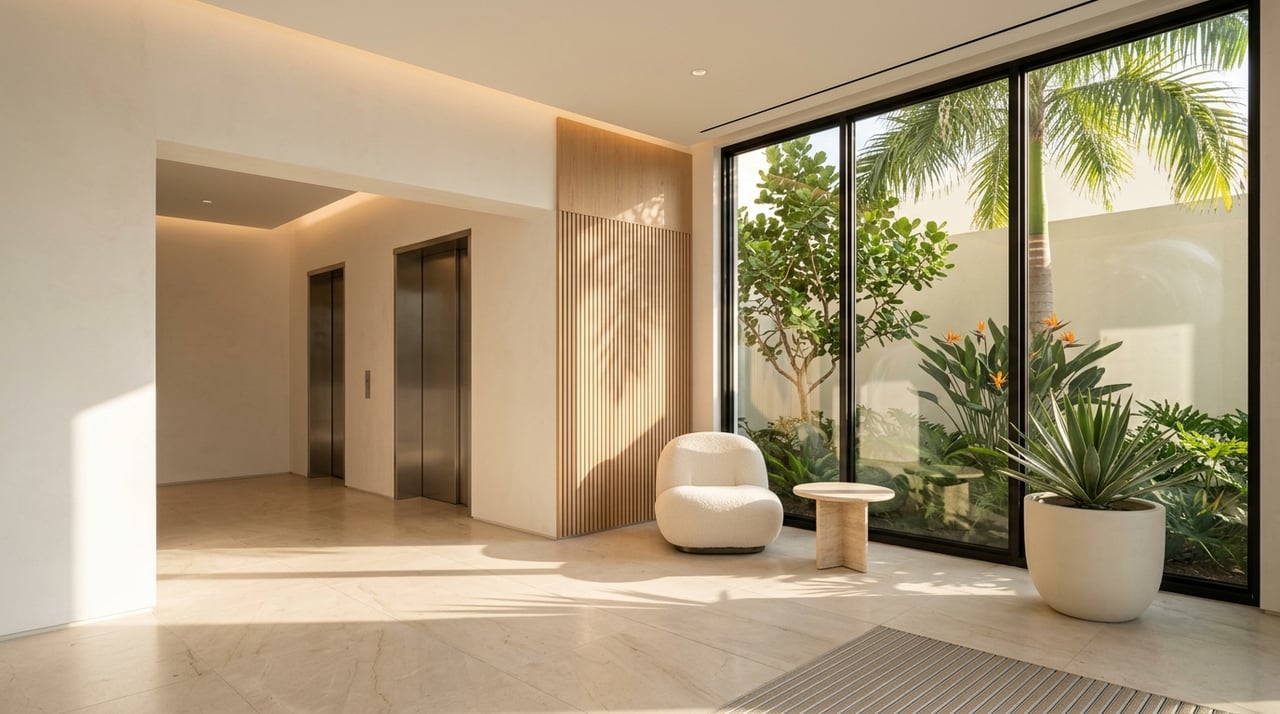
Investing In Seasonal Condos On Hutchinson Island South
April 16, 2026
April 16, 2026
If you are thinking about buying a seasonal condo on Hutchinson Island South, the opportunity can look appealing at first glance. You get a barrier-island location, strong visitor appeal, and a market that benefits from winter escape demand. But the smartest investment decisions here come down to more than views and beach access. You also need to understand condo rules, reserve funding, inspections, licensing, and taxes before you buy. Let’s dive in.
Hutchinson Island South has many of the features that support seasonal condo interest. According to Visit St. Lucie’s South Hutchinson Island guide, the area offers beaches, lagoon access, fishing, kayak launches, and a dining and entertainment cluster along Seaway Drive. It is also positioned as one of St. Lucie County’s core visitor destinations.
That matters if you are buying with seasonal use or rental income in mind. A market with repeat visitor appeal often creates a stronger base for seasonal rentals, especially when the lifestyle is easy to understand and easy to market. On Hutchinson Island South, that appeal is tied to waterfront recreation, beach access, and a simple coastal routine many travelers actively seek.
Public tourism signals suggest this is a seasonal market, not a flat year-round one. Visit St. Lucie promotes local beaches as a place to escape colder weather, which points to winter and early spring as the strongest rental window. Summer can still attract leisure travel, and the area also sees interest during the March-through-November sea turtle nesting season.
For you as an investor, the key takeaway is that revenue will likely be uneven through the year. Peak-season performance may carry much of the annual return, while shoulder and off-season demand can vary based on building amenities, price point, and lease flexibility. That is why building-specific rules matter just as much as location.
Before you focus on finishes or views, focus on the condo documents. Under Florida condominium law, the declaration can control use, occupancy, and transfer rights. That means each building can set its own rental rules, approval procedures, lease duration requirements, and limits on rental frequency.
Florida law also matters if rules changed over time. If an amendment prohibits rentals, changes lease duration, or limits rental frequency, that change generally applies only to owners who consent and to buyers who purchase after the amendment becomes effective. In practical terms, some existing owners may have grandfathered rental rights, but as a buyer, you still need to confirm exactly what rights transfer with the unit you are considering.
On a barrier island, building condition is not a side issue. It should be central to your underwriting. For residential condos and co-ops that are three habitable stories or more, Florida’s milestone inspection law requires inspections by the year the building reaches 30 years of age, with repeat inspections every 10 years after that. In coastal conditions, local enforcement can require the first inspection at 25 years.
If you are comparing two condos with similar pricing, the building with clear inspection compliance may present less future uncertainty. A building that is overdue, unclear, or facing major findings could bring more risk of repairs, special assessments, and buyer hesitation at resale. This is one of the clearest examples of why a lower purchase price is not always the better investment.
Reserve strength has become much more important for Florida condo buyers. Under current law, owner-controlled associations in place on or before July 1, 2022 had to complete a structural integrity reserve study by December 31, 2025, or by December 31, 2026 if it was completed with a milestone inspection, according to Florida statute. For budgets adopted on or after December 31, 2024, reserve funds for covered components cannot be redirected to other purposes.
For you, this affects both monthly ownership costs and long-term stability. Buildings with stronger reserves may feel more expensive upfront, but they can be better positioned to manage future repairs without sudden financial strain. Buildings with weak reserves may appear attractive on paper, then lose their income advantage through assessments and rising carrying costs.
Insurance is another major variable for seasonal condo investors on Hutchinson Island South. Florida law on condo official records and insurance requires condominium property insurance based on replacement cost, updated at least every 36 months. Associations may also carry flood insurance for common elements, association property, and units.
This affects you in two ways. First, association insurance costs can influence monthly fees and future budget pressure. Second, your unit-level exposure may still depend on the building’s master policy, deductibles, flood risk, and what your own policy needs to cover.
Because this is a barrier-island market, flood exposure deserves extra attention. The research also notes that FEMA flood maps should be checked for every address, especially when you are modeling insurance and long-term maintenance risk.
If you want a clearer picture of a seasonal condo’s real investment quality, review the association’s official records early. Under Florida statute, those records can include the declaration, bylaws, rules, meeting minutes, financial statements, insurance policies, management agreements, inspection reports, permits, and the most recent structural integrity reserve study.
This is often where important details show up. You may find signs of recurring maintenance issues, debates over repairs, reserve concerns, insurance changes, or pending capital projects. A unit can show beautifully and still belong to a building with expensive unresolved issues in the background.
If you plan to rent your condo as a vacation rental, legal setup matters. The DBPR vacation rental license packet states that licensing generally applies when a condo is used as a vacation rental. The application requires items such as a Florida sales tax number, FEIN or ITIN, addresses of all units, and a balcony inspection certificate.
The tax side is just as important. In St. Lucie County, owners are responsible for a 5% tourist development tax on rentals of six months or less, and the county states this is in addition to state sales tax. The research report also notes that platforms such as Airbnb or VRBO do not remit this county tax for you, so you should not assume the platform handles everything automatically.
Depending on the property’s jurisdiction and your business setup, a county or city local business tax receipt may also be required. If you are buying primarily for income, these operating details should be part of your return analysis from day one.
A seasonal condo on Hutchinson Island South can work well when the building is aligned with investor goals. The best candidates are often buildings with rental-friendly documents, strong reserves, current inspection compliance, and manageable insurance and flood exposure.
Use this checklist as a starting point:
Seasonal condo investing is rarely just about finding a unit in the right location. On Hutchinson Island South, the better question is whether the specific building supports your income goals without creating hidden friction. The difference between a smooth investment and a frustrating one often comes down to details inside the condo documents and association records.
That is where informed guidance can protect both your time and your capital. When you are evaluating waterfront and condo inventory, a disciplined review process helps you look beyond surface appeal and focus on the factors that actually shape long-term performance.
If you are considering a seasonal condo on Hutchinson Island South and want a more strategic view of the opportunity, Ann Cusa offers a discreet, white-glove approach grounded in waterfront expertise, developer-grade product knowledge, and careful property evaluation. Request a Private Consultation to discuss your goals.
Stay up to date on the latest real estate trends.


Get assistance in determining current property value, crafting a competitive offer, writing and negotiating a contract, and much more. Contact me today.