Choosing Between Waterfront And Downtown Living In Stuart
June 25, 2026
June 25, 2026
If you are torn between waking up by the water or stepping out into the heart of town, Stuart gives you a real decision to make. Both lifestyles are appealing, but they serve daily life in very different ways. When you understand how waterfront living and downtown living actually feel on the ground, you can narrow your search with much more confidence. Let’s dive in.
Stuart is a smaller coastal city in Martin County with an estimated 2025 population of 19,451. It sits on the St. Lucie River, and one of its defining features is how closely downtown and the waterfront connect.
That connection is easy to see in places like Riverwalk, the city docks, and the river channel. In Stuart, you are not choosing between two completely separate worlds. You are choosing between two lifestyles that overlap, but still feel very different day to day.
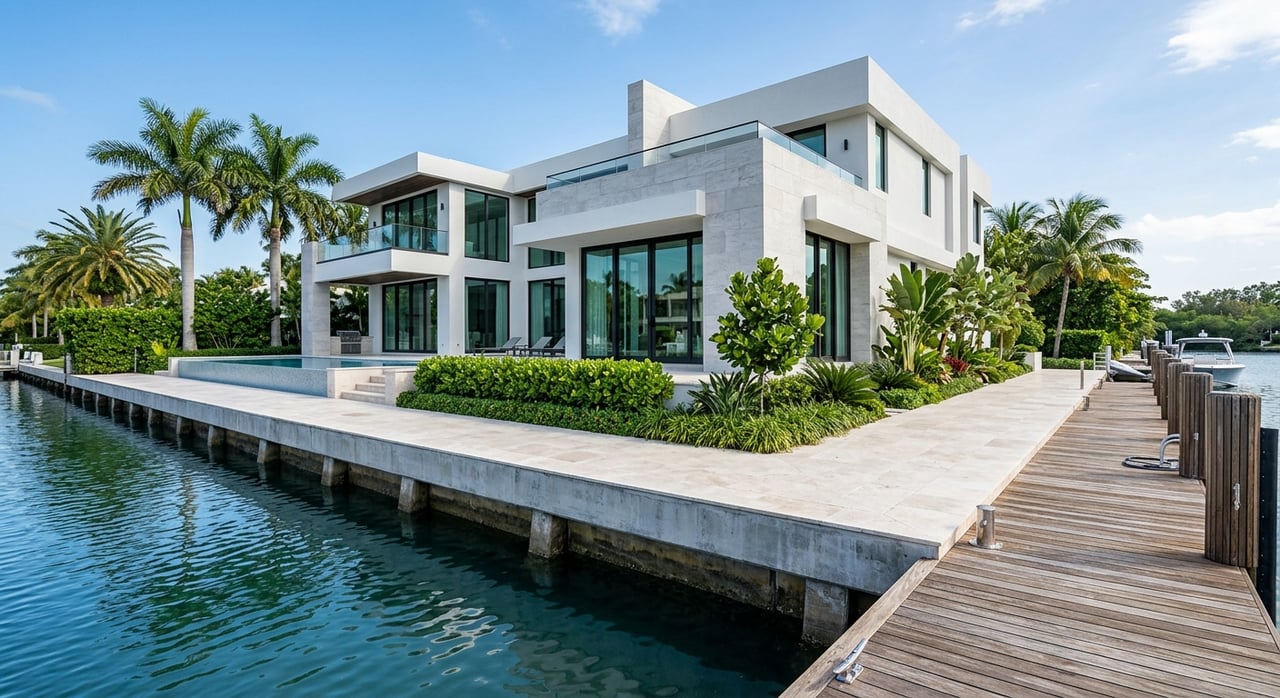
For many buyers, waterfront living in Stuart starts with one question: How important is direct water access to your daily life? If boating, dock access, or marina convenience is high on your list, the waterfront side of the market often stands out right away.
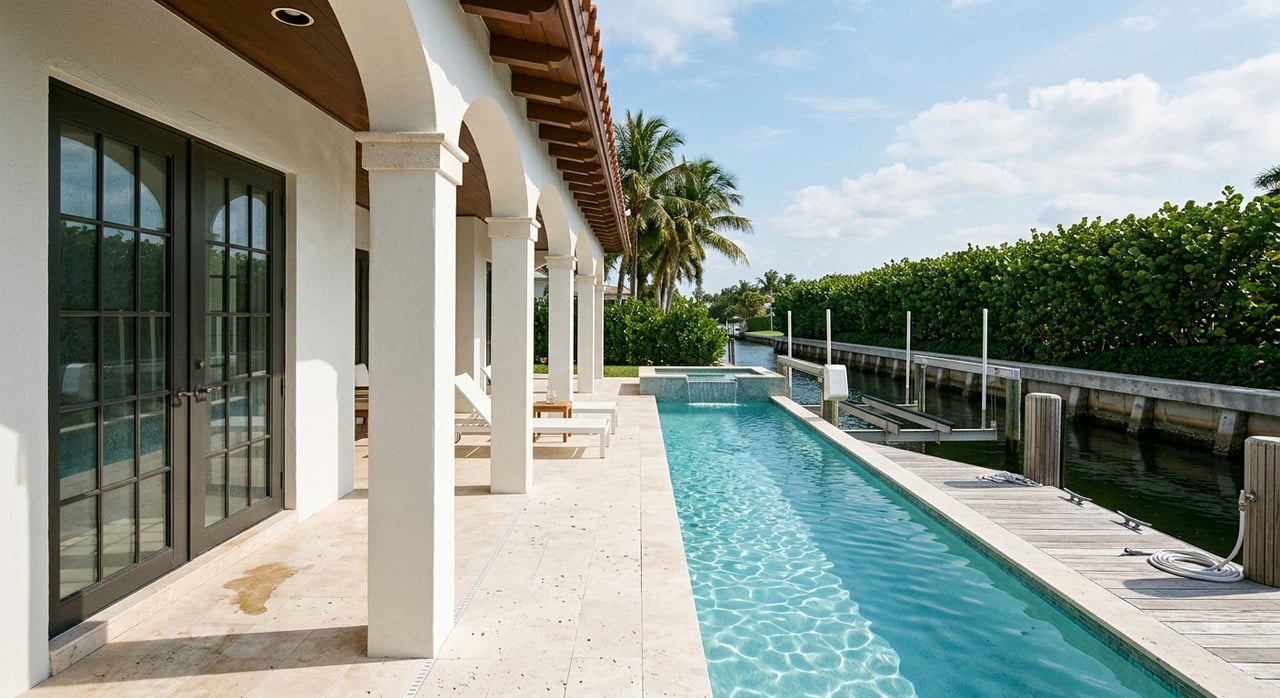
Stuart’s waterfront lifestyle is more than a scenic backdrop. It is closely tied to real boating infrastructure, marina access, and the practical details of getting on the water with ease.
Waterfront living in Stuart tends to be boat-centric rather than purely view-centric. The City Docks on Flagler Avenue allow free daytime docking, and they connect directly to Riverwalk, downtown restaurants, and Flagler Park.
That means even if you are on the water, you are still connected to town. You can move from boat to boardwalk to dinner without much effort, which gives Stuart a more integrated feel than many coastal markets.
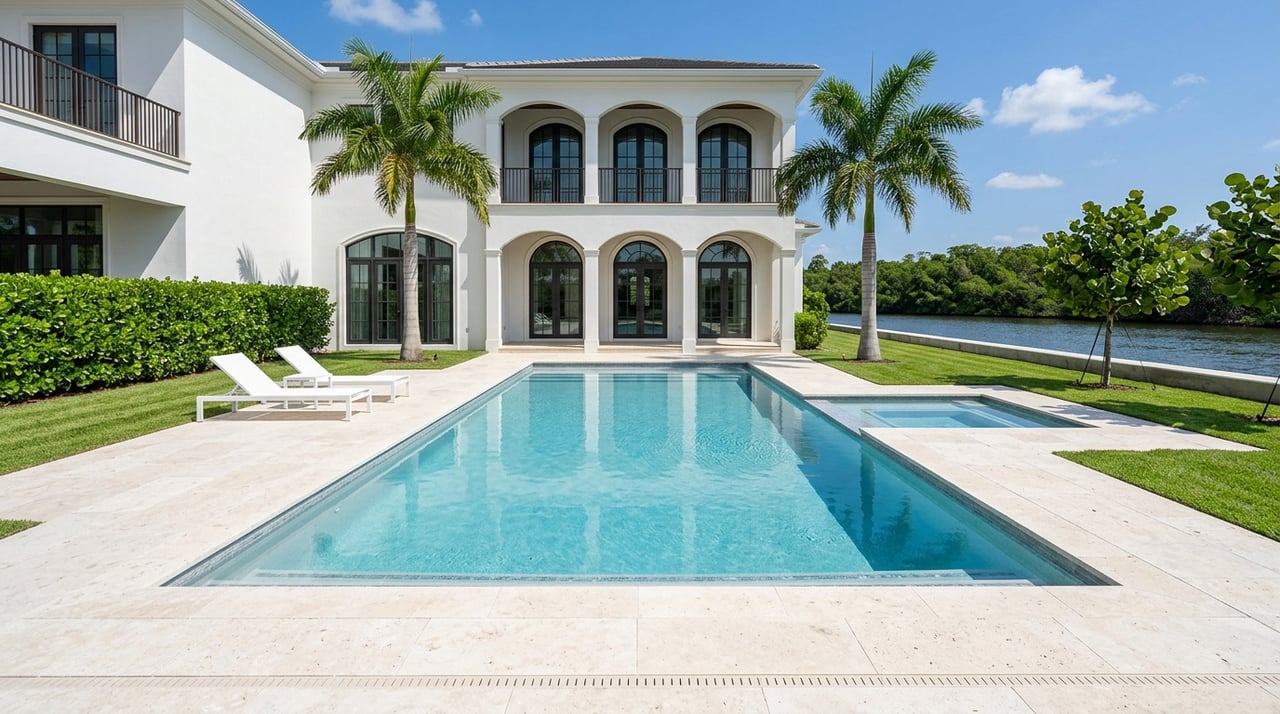
One important point for buyers is that Stuart waterfront living is not just one type of home. The broader waterfront market can include riverfront, inlet-adjacent, marina-adjacent, and beach-oriented properties.
That range matters because your experience can vary quite a bit depending on location and setup. Some homes are focused on direct boating function, while others may offer water proximity without the same dock-centered lifestyle.
Stuart has meaningful marina support for a city of its size. Sailfish Marina of Stuart offers wet storage, dry storage, maintenance, fuel, and access toward the St. Lucie Inlet, while Safe Harbor Harborage Yacht Club offers wet and transient slips, service, a fuel dock, and waterside dining.
For buyers who want a boating lifestyle, this kind of infrastructure can shape the ownership experience. It is not just about owning near the water. It is also about how easy it is to use the water regularly.
The biggest trade-off with waterfront living is that direct access comes with more coastal due diligence. Martin County highlights ongoing issues tied to shoreline protection, inlet navigation, waterway maintenance, sea-level-rise risk, living shorelines, mooring fields, and king tides that can cause coastal tidal flooding in low-lying areas.
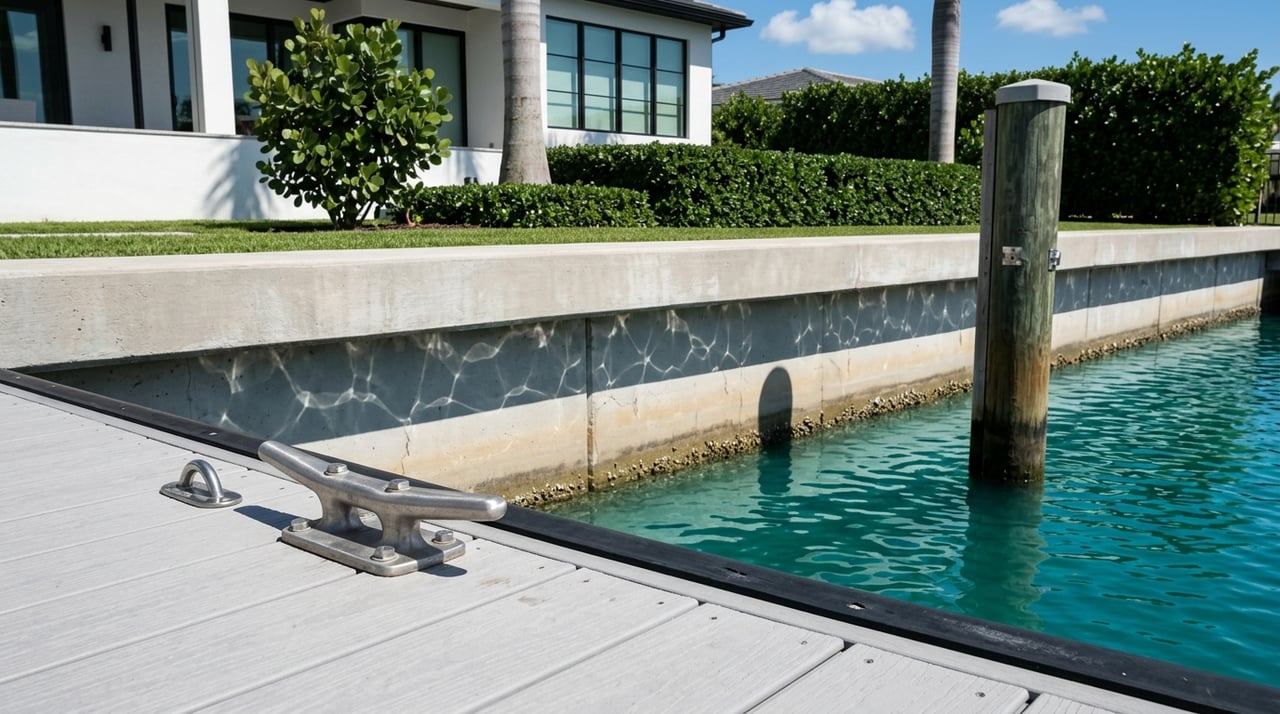
In practical terms, that means waterfront buyers should pay close attention to dock condition, shoreline exposure, water depth, and storm resilience. If you love the boating lifestyle, these factors may feel well worth managing. Still, they should be part of the decision from the start.
If your ideal day includes walking to coffee, dining, local events, and the riverfront, downtown Stuart may feel like the better fit. The downtown experience is less about private dock access and more about convenience, character, and an active street-level setting.
Stuart officially describes downtown as the city’s historic commercial and civic center. That identity shapes both the housing stock and the daily experience of living there.
Downtown Stuart has a more compact and mixed built environment than the waterfront market. The city’s 2023 historic survey covers 37 blocks and identifies 200 historic buildings and other historic property types.
Within that area, you will find one- and two-story masonry commercial buildings from roughly 1912 to 1950, along with frame vernacular homes, bungalows, Mediterranean Revival houses, apartments, boarding houses, and former residences converted to multi-family or commercial use. For buyers, that usually means more architectural character and a more layered urban fabric.
Downtown is the more pedestrian-oriented option in Stuart. The city’s downtown wayfinding program was created primarily to help pedestrians find businesses, and the area also includes tram information and bike-rack support.
Riverwalk, the city docks, Flagler Park, and downtown streets place restaurants, shops, and waterfront spaces close together. If you want to reach dining, errands, events, and river views without relying on a car or boat as your default, downtown has a clear advantage.
Downtown Stuart also offers the strongest concentration of arts and events. The city identifies The Creek District as Stuart’s official arts and entertainment district, and local attractions and recurring events include Market on Main, Rock’n Riverwalk, the Stuart Stroll, Hobgoblins on Main, Christmas on Main, the Stuart Heritage Museum, the city’s historical building tour, and MartinArts at the Court House Cultural Center.
For buyers who want everyday energy and community events close by, this can be a major draw. The lifestyle is more street-first, social, and connected to the city’s historic identity.
Some buyers hear the word historic and assume private ownership becomes heavily restricted. In 2026, the city noted that National Register listing would not itself restrict private owners, though it could create preservation incentives and increase awareness of the area’s historic value.
That distinction is useful if you are drawn to downtown character but cautious about what that might mean in practice. It is still wise to understand the property context, but historic identity does not automatically translate into broad private-property limits.
The simplest way to frame the choice is this: waterfront living is usually the better fit if you prioritize boating, privacy, and direct water access. Downtown living is usually the better fit if you prioritize walkability, restaurants, arts, and a historic small-town atmosphere.
Here is a simple side-by-side view:
| Lifestyle Factor | Waterfront Stuart | Downtown Stuart |
|---|---|---|
| Daily focus | Water access and boating | Walkability and convenience |
| Housing feel | Riverfront, marina-adjacent, inlet-adjacent, beach-oriented options | Historic homes, mixed-use areas, apartments, older architecture |
| Best for | Buyers who want direct access to the water | Buyers who want dining, shops, and events nearby |
| Key consideration | Coastal resilience and property maintenance | Historic context and mixed-use surroundings |
| Overall feel | Water-first living | Street-first living |
The best choice often becomes clearer when you focus on how you actually plan to live. In Stuart, most buyers can narrow the decision by thinking through a few practical questions.
If you plan to boat regularly, direct waterfront access may be worth the extra attention that coastal ownership requires. While Stuart’s city docks and marina network make occasional boating easier, true waterfront ownership still offers the most immediate access.
If boating is more of an occasional activity than a central part of your routine, downtown may still give you enough connection to the water without making it the center of your home search.
If you want to step outside and quickly reach restaurants, shops, galleries, and events, downtown usually comes out ahead. Its pedestrian network and compact layout support a more spontaneous day-to-day routine.
If you are more focused on privacy, marina access, or a quieter home base tied to the water, the waterfront may feel more aligned with your priorities.
Waterfront buyers should be ready to look closely at shoreline exposure, dock condition, water depth, and resilience issues tied to tides and coastal conditions. Downtown buyers, on the other hand, should understand the preservation context and the realities of older or mixed-use surroundings.
Neither option is better across the board. The right fit depends on which trade-offs feel most worthwhile to you.
In Stuart, there is also a middle ground worth considering. The river-adjacent edge between downtown and the waterfront can offer a blend of both lifestyles.
The city describes Riverwalk as tying together the docks of Sunset Bay Marina, the waterfront, and historic downtown homes. That overlap gives some buyers the chance to stay close to the water while still enjoying easy access to downtown’s restaurants, events, and riverfront public spaces.
For many buyers, this hybrid zone is where the decision becomes less about choosing one side or the other and more about finding the right balance.
Choosing between waterfront and downtown living in Stuart is really about matching your home to your routine. If your ideal lifestyle centers on boating, marina access, and direct time on the water, the waterfront side of the market may fit best. If you want walkability, historic character, and easy access to local culture, downtown may feel more natural.
Because Stuart’s two lifestyles are so closely connected, the details matter. Property type, water access, building context, and day-to-day convenience can all shape how the right choice looks for you. If you want expert guidance on evaluating waterfront opportunities, marina-oriented properties, or the lifestyle trade-offs that matter most, Ann Cusa offers a private, strategic approach designed around your goals.
Stay up to date on the latest real estate trends.

Get assistance in determining current property value, crafting a competitive offer, writing and negotiating a contract, and much more. Contact me today.