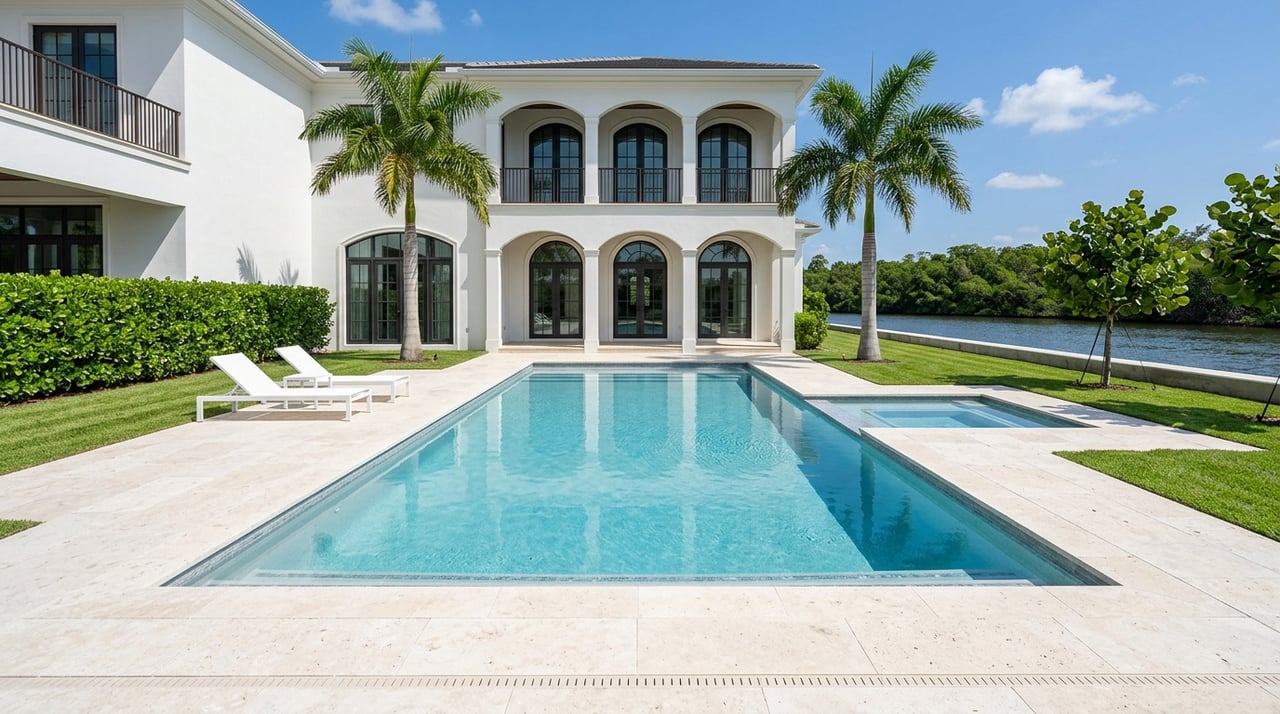
Guide To Luxury Waterfront Living On Jupiter Island
June 11, 2026
June 11, 2026
Looking for luxury on Jupiter Island is not the same as shopping other waterfront markets in South Florida. Here, value is tied not just to water views, but to privacy, low density, and a preservation-first setting that shapes how the island looks, feels, and lives day to day. If you want to understand what sets this market apart, what ownership really involves, and how to evaluate oceanfront versus Intracoastal opportunities, this guide will help you do it with more confidence. Let’s dive in.
Jupiter Island is a barrier island town on the south end of Martin County. According to the town’s community profile, it covers about 1,643 acres, with nine miles of ocean frontage to the east and the Intracoastal Waterway to the west. It has about 820 permanent residents and a seasonal population that approaches 2,000.
That small scale matters. The town’s planning documents describe Jupiter Island as a high-quality, low-density residential community where nature should remain dominant. In practical terms, that means you are not buying into a high-intensity coastal strip. You are buying into a place shaped by seclusion, tranquility, and long-term stewardship.
On Jupiter Island, luxury waterfront living usually comes down to two distinct orientations: oceanfront exposure or Intracoastal access. Because the island sits between both water bodies, the experience of ownership can feel very different depending on which side you choose. Your lifestyle priorities should drive that decision.
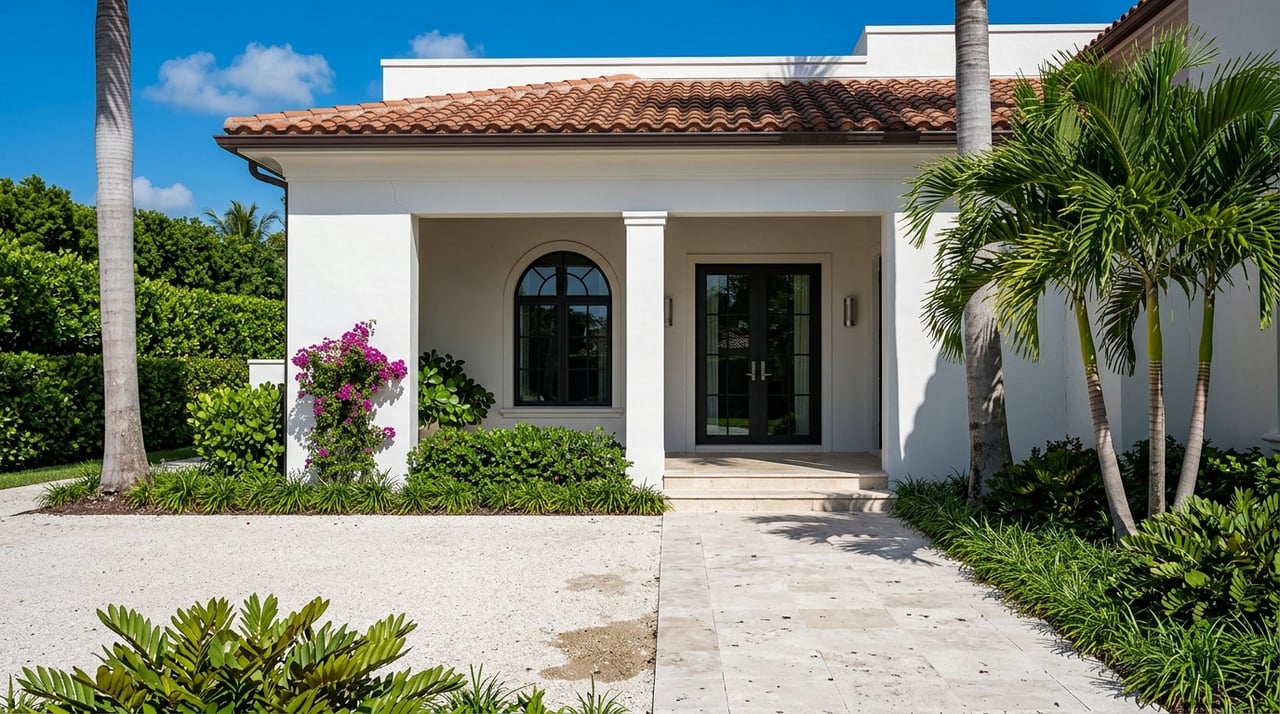
The housing pattern also plays a role. Local zoning materials show a single-family estate framework, with accessory uses such as guest houses, beach houses, pools, and docks. That reinforces the island’s estate-style character rather than a dense resort or multifamily feel.
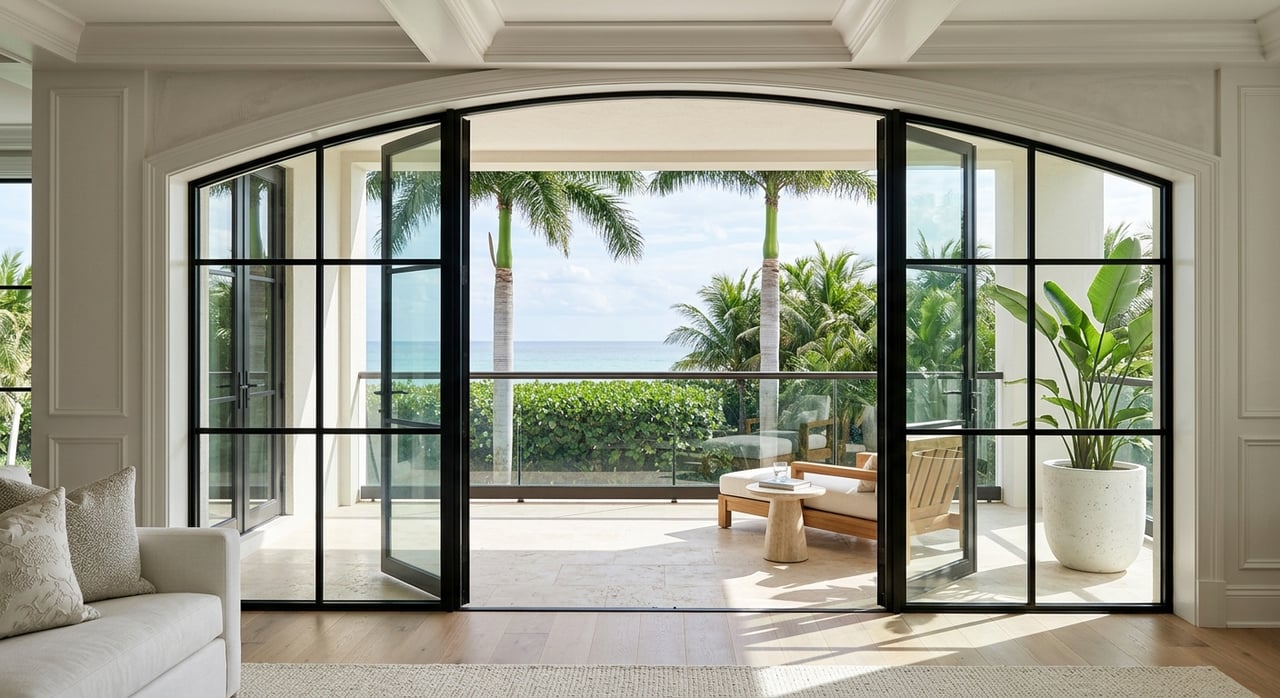
If you are drawn to direct Atlantic frontage, the appeal is easy to understand. Oceanfront ownership offers immediate beach access, open-water views, and a stronger connection to the island’s natural coastal setting. For many buyers, this side of Jupiter Island is about scenery, privacy, and a true front-row coastal experience.
Oceanfront ownership also comes with more direct exposure to coastal conditions. Martin County notes that shoreline maintenance, erosion response, beach nourishment, storms, and overwash are part of ongoing coastal management along this stretch of coastline. That makes due diligence especially important when you evaluate property condition, setbacks, and any planned exterior improvements.
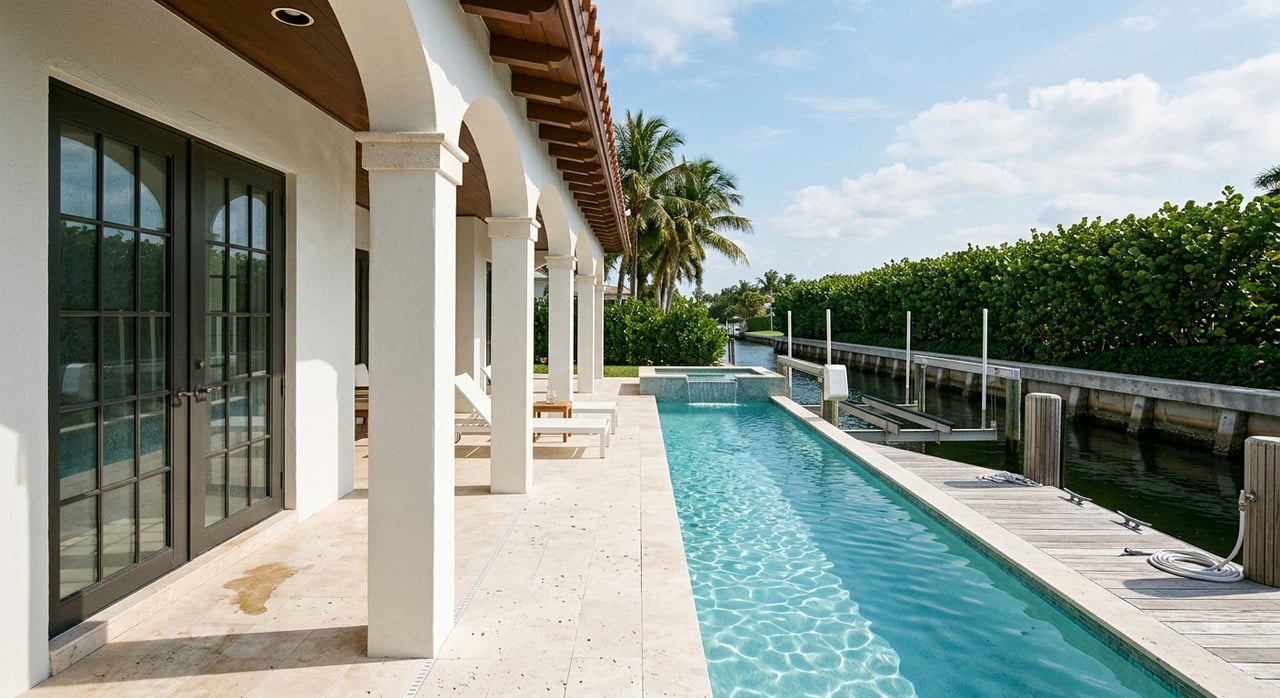
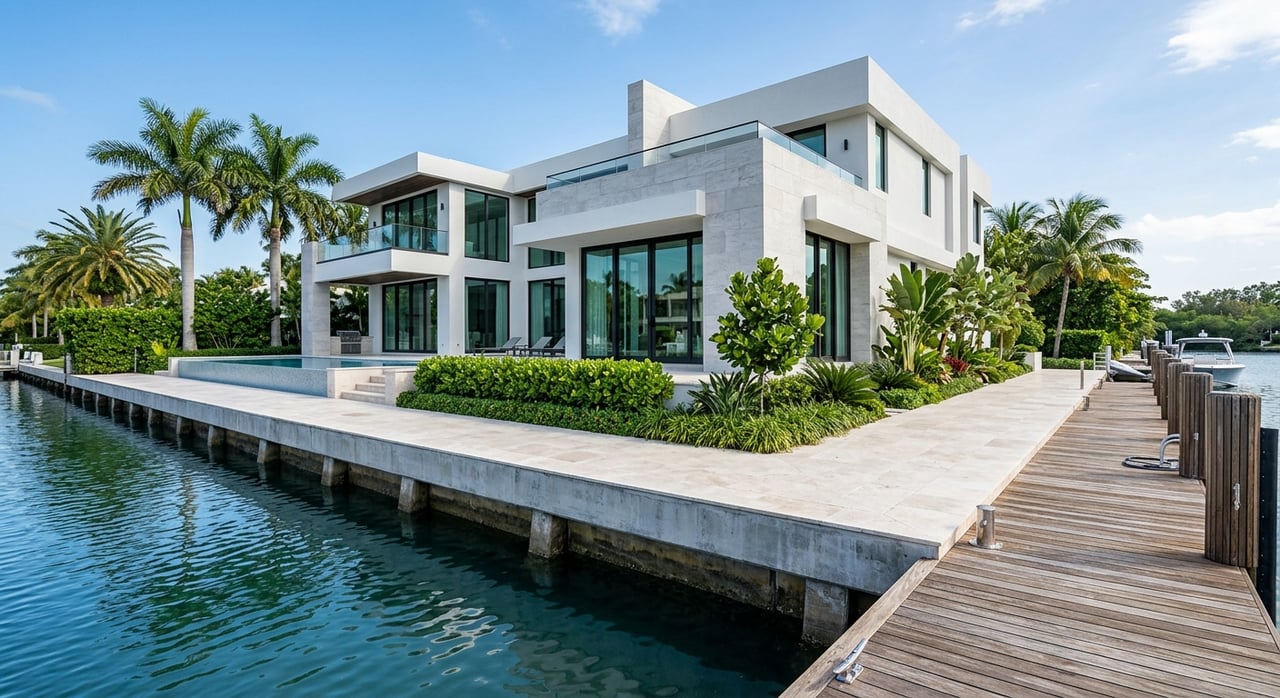
If boating is central to how you live, the Intracoastal side may be the better fit. Martin County says the St. Lucie Inlet connects the Atlantic Ocean with the Indian River Lagoon, St. Lucie River, Hobe Sound, and the Atlantic Intracoastal Waterway. That connection supports boating and fishing access, although the county also notes inlet conditions can be affected by shoaling after storms.
For many luxury buyers, this side of the island is less about wave-front drama and more about convenience on the water. Dock access, vessel needs, and your expected boating patterns become major parts of the search. In this market, those details are not secondary. They are often central to long-term satisfaction.
One of the clearest reasons buyers are drawn to Jupiter Island is how private it feels. The town’s comprehensive planning language emphasizes seclusion, tranquility, and safety, while limiting more intensive land uses. Remaining vacant land is generally reserved for single-family residential, recreational, and conservation uses.
That planning approach creates scarcity, and scarcity supports value. Jupiter Island is not defined by commercial activity or dense development. Its luxury position comes from protected character, low density, and a setting where natural features still lead the visual experience.
Luxury here is closely tied to the surrounding environment. Nearby, the Nathaniel P. Reed Hobe Sound National Wildlife Refuge includes the largest contiguous section of undeveloped beach in Southeastern Florida and is one of the most productive sea turtle nesting areas in the Southeast. Blowing Rocks Preserve adds another meaningful conservation asset on Jupiter Island itself.
These features are not just scenic extras. They help define the island’s identity and help explain why Jupiter Island feels quieter and more protected than many other coastal markets. If you want a place where the landscape still feels intentional and restrained, this setting is a major part of the draw.
Some buyers assume privacy means isolation, but the local picture is a little more nuanced. Martin County lists Hobe Sound Beach on Jupiter Island as a guarded beach with lifeguard hours and beach-wheelchair availability. That means the island can offer both a private residential atmosphere and managed public beach access in certain areas.
For buyers, this is less about good or bad and more about fit. Some will value the accessibility and services. Others may prefer a more secluded stretch depending on where they purchase.
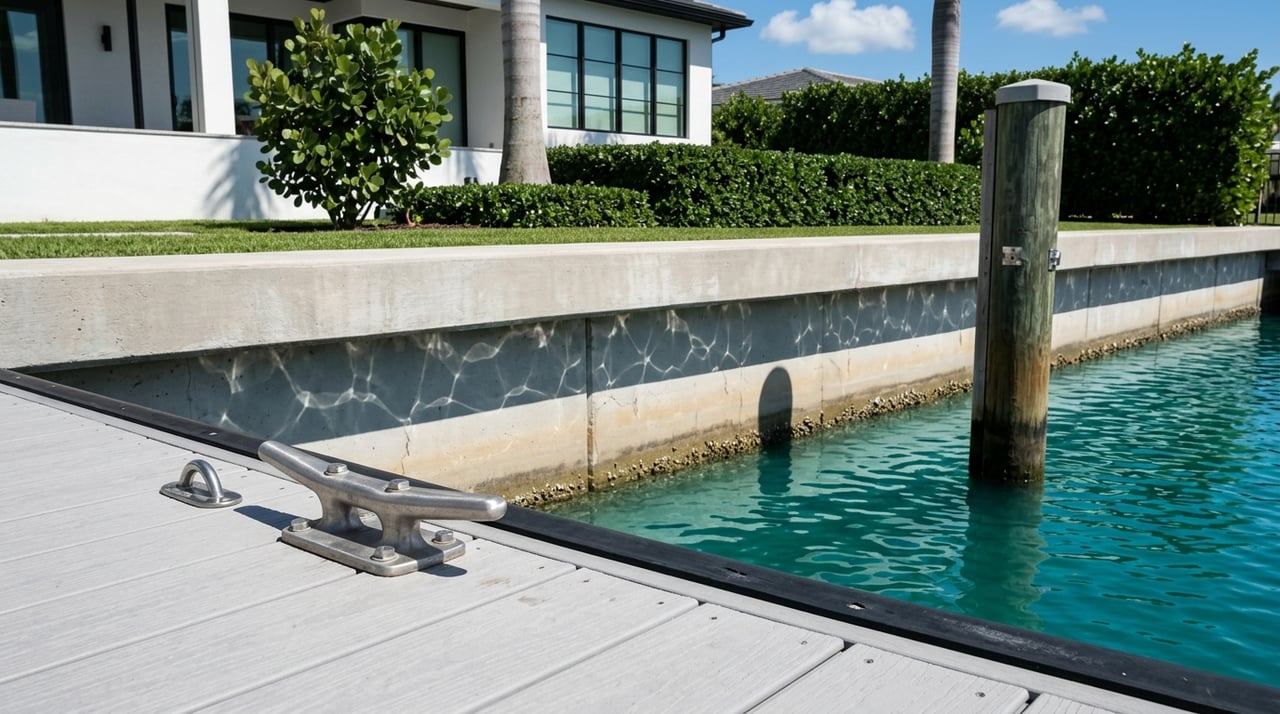
Owning on Jupiter Island means understanding that waterfront property is more regulated and more maintenance-sensitive than a typical inland home. The town’s ordinances include rules related to dock lighting and a waterfront setback line. The building department handles zoning, permitting, plan review, inspections, contractor licensing, and code enforcement.
That has real implications if you plan to renovate, rework a dock, adjust outdoor lighting, or make major site changes. On an island where preservation and shoreline stewardship are central values, formal review is part of the ownership experience. Buyers who understand that early tend to make better decisions.
Martin County Coastal Management states that its work includes inlet navigation, shoreline storm protection, and coastal habitat management. The county also notes that beach nourishment and related maintenance are needed in response to erosion, storms, and overwash. In low-lying areas, king tides can also contribute to coastal tidal flooding.
This does not mean waterfront ownership is unusual here. It means it should be approached with clear eyes. If you are evaluating a property, you will want to look closely at shoreline conditions, improvement history, exposure, and any site-specific constraints that could affect your long-term plans.
Environmental stewardship is part of everyday ownership on this coastline. Martin County says sea turtle nesting season runs from March 1 through October 31, and residents are asked to control lights that shine onto the beach at night. The Florida Fish and Wildlife Conservation Commission also lists the Town of Jupiter Island as having a sea turtle protection ordinance.
For luxury homeowners, that makes outdoor lighting design more than a style decision. Pool lighting, landscape lighting, and beach-facing illumination should all be reviewed carefully during due diligence. It is a practical example of how the island’s natural priorities influence residential living.
Because this market is both prestigious and highly specific, the right questions matter. A beautiful home may still need deeper review if your goals include boating access, future renovation, or seasonal ease of ownership. The more tailored your search is, the better your outcome is likely to be.
Here are a few smart points to weigh as you compare opportunities:
Jupiter Island is a market where surface-level beauty tells only part of the story. The strongest purchases usually come from balancing aesthetics with waterfront function, regulatory awareness, and long-term fit. That is especially true when you are comparing estate properties, deep-water opportunities, or homes with meaningful renovation potential.
For buyers seeking a discreet and well-managed process, experience matters. Ann Patricia Cusa brings more than three decades of South Florida luxury real estate experience, a background in developer and new-construction sales, and a track record that includes oceanfront condos, waterfront estates, vacant deep-water lots, and seasonal inventory. That kind of product knowledge can help reduce friction and bring clarity to a complex waterfront search.
If you are considering a purchase or sale on Jupiter Island, a private, well-informed strategy can make all the difference. To discuss your goals with a seasoned luxury waterfront advisor, Ann Cusa can help you navigate the market with discretion, insight, and white-glove service.
Stay up to date on the latest real estate trends.

Get assistance in determining current property value, crafting a competitive offer, writing and negotiating a contract, and much more. Contact me today.